





The Ultimate Guide to Basmati RicePerfectly Fluffy
In Kuwaiti kitchens, a meal is rarely complete without a majestic platter of perfectly fluffy, fragrant Basmati rice. Achieving that legendary 'Nathri' texture—where every single long grain stands beautifully separated, aromatic, and tender—is a true culinary art. Whether you are preparing a grand Friday Machboos or a simple weekday side, understanding the nuances of selection, soaking, and steaming will elevate your cooking instantly. Let us unlock the royal secrets of premium Basmati and transform your daily meals.
Choosing Your Perfect Grain
The secret to the ultimate 'Nathri' rice starts with premium quality. Always choose aged or parboiled varieties for traditional Kuwaiti dishes to ensure each grain remains distinct.
-
ITEM 01
Long-Grain Indian Basmati
Known for its incredible elongation when cooked, this variety is the crown jewel of classic Machboos. It offers an intense, nutty aroma and remains firm yet tender, ensuring the grains do not break during long simmering processes.
-
ITEM 02
Sella Basmati (Parboiled)
Sella rice undergoes a unique steaming process in its husk before milling, locking in essential nutrients and starch. This makes it exceptionally durable, almost impossible to overcook, and perfect for large family gatherings where rice needs to hold its texture over time.
-
ITEM 03
Aged Basmati
Patience yields perfection. Aged Basmati is stored for up to two years to dehydrate the moisture, concentrating its natural oils and flavors. This results in incredibly dry, fluffy grains that absorb sauces beautifully without sticking.
The Golden Washing & Soaking Ritual
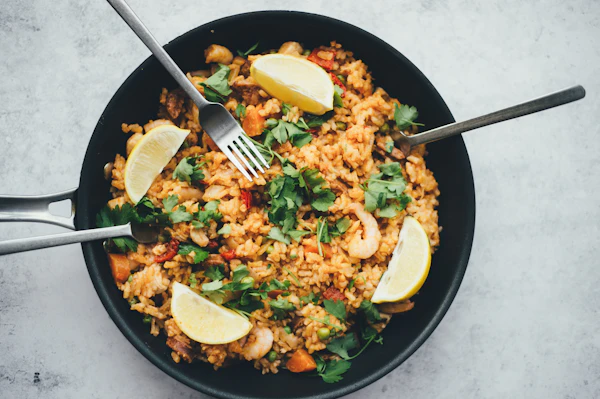
The absolute path to fluffiness lies in releasing surface starch. You must wash your Basmati rice at least three to four times in cold water until the water runs crystal clear. Once clean, soak the grains in lukewarm, salted water for exactly 30 minutes. This crucial step relaxes the starch structure, allowing the grains to expand to their maximum length without breaking when introduced to heat.

Smart Storage & Bag Sizes
Because Basmati rice is a daily staple in Kuwait, selecting the right bag size ensures you never run out during sudden family gatherings. Premium burlap bags protect the rice from humidity while allowing it to breathe, preserving its signature aroma. For standard households, a 5kg bag is ideal, while large families preparing daily feasts benefit most from our 10kg and 20kg bulk packs stored in a cool, dark pantry.
Precision Cooking & Steaming
To achieve the perfect 'Nathri' texture, you must master the liquid-to-rice ratio. For standard boiled Basmati, a 1:1.5 ratio of rice to water is ideal when using soaked rice. Never stir the rice vigorously while cooking, as this breaks the fragile, elongated grains and releases starches that cause clumping. Instead, gently fold the rice with a flat paddle or fork only when necessary.
The Ultimate 10-Minute Dum (Steaming) Method: 1. Bring water to a rolling boil with cardamom, cloves, and a splash of oil.\n2. Add soaked rice and boil for 7-8 minutes until 90% cooked.\n3. Drain completely, return to the pot, and drizzle with saffron water.\n4. Cover with a tight lid wrapped in a clean kitchen towel.\n5. Steam on ultra-low heat for 10 minutes, then fluff gently with a fork.
By letting the steam do the final work, you guarantee dry, separated, and fragrant grains that rise beautifully on the serving platter.
Bring the Perfect Feast Home
Do not let poor-quality grains ruin your dining experience. Stock up on Kuwait's favorite premium Basmati rice brands and authentic spices, delivered straight to your doorstep in hours.
Explore our curated collection of premium Basmati rice, aromatic spices, and pure ghee on Taw9eel.
Frequently Asked Questions
Why does my Basmati rice always end up sticky and mushy?
Sticky rice is usually caused by excess surface starch or too much water. Make sure to rinse the rice until the water runs clear and stick to the 30-minute soak. Also, reduce your water ratio slightly if cooking under a tight lid.
What is the difference between Sella rice and White Basmati?
Sella Basmati is parboiled while still in its husk, locking in nutrients and making the grain exceptionally sturdy and resistant to overcooking. White Basmati is milled raw, offering a more delicate texture and a stronger classic floral aroma.
How do I get that vibrant yellow saffron color on top of the rice?
Soak a pinch of high-quality saffron threads in two tablespoons of warm rosewater or hot water for 10 minutes. Drizzle this mixture in a circular motion over the rice during the last 5 minutes of steaming, then fluff only the top layer.
Can I cook Basmati rice in an electric rice cooker?
Yes! Simply wash and soak the rice as usual, drain well, and use a 1:1.25 rice-to-water ratio. For best results, let the rice rest in the cooker on the 'Keep Warm' setting for 10 minutes before opening and fluffing.