




Ramadan Soups: Easy and Nutritious Ideas for a Balanced Iftar Table in Kuwait
Many of us look for a warm, light-on-the-stomach option that can be prepared quickly after a long day of fasting. This is exactly where Ramadan soups come in. Soup isn't just a side dish; it's a smart start for Iftar that helps your body transition from fasting to eating gently. It’s also incredibly versatile: you can make it light and clear, thick and filling, vegetarian or with chicken, using simple ingredients readily available at home.
The best part is that you can organize your kitchen during Ramadan around a single soup base and just change the flavors daily, avoiding repetition while saving time. Whether you prefer ready-made options from the Soups section on Taw9eel, or you like cooking from scratch using fresh vegetables, spices, and herbs, everything you need is available. In this guide, we will walk you through how to choose the right soup for Ramadan, how to build a perfect bowl without common mistakes, and daily ideas to reduce salt while maximizing flavor.
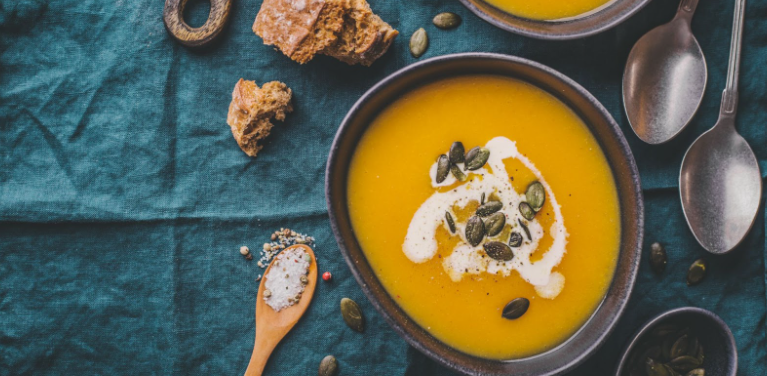
How to Choose the Right Ramadan Soup for Iftar and Suhoor Without Feeling Heavy
Choosing Ramadan soups isn't just about picking a tasty recipe; it's about timing and purpose. For Iftar, you need a gentle start that replenishes fluids and opens your appetite without weighing down your stomach. Light soups like clear vegetable or chicken broth are excellent starters, allowing you to comfortably move on to the main course. However, if you tend to get tired quickly after Iftar or want to reduce heavy meals, thicker soups like lentil, oat, or barley will give you higher satiety and help you control your portions.
For Suhoor, the goal is different: you want something that keeps you full longer while being gentle on the stomach. Here, soups containing grains or legumes, like lentil soup or a vegetable soup with protein, are practical choices. If you rely on ready-made soups on busy days, it is best to choose from the soup section based on your goal: a light soup as a starter or a richer soup as a snack.
A crucial point during Ramadan is salt intake. Many ready-made Ramadan soups are high in sodium, which can increase thirst while fasting. The World Health Organization recommends adults consume less than 2000mg of sodium daily, roughly equivalent to less than 5g of salt. Check out these sodium reduction guidelines for smarter choices. This doesn’t mean sacrificing taste; by enhancing the flavor with spices and herbs, you get a robust taste with much less salt.
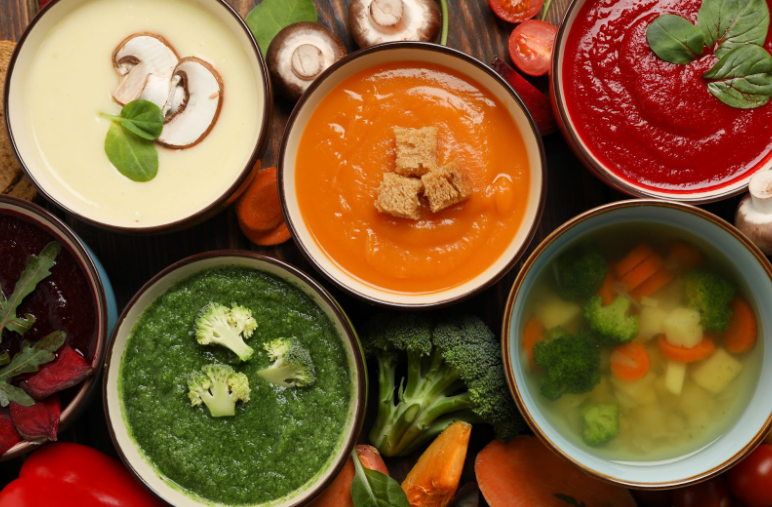
A Golden Rule for Preparing Ramadan Soups with Strong Flavor and Less Salt
If you want your Ramadan soups to turn out perfect every day, stick to a consistent base and just switch up the flavors. The base usually starts with onions and garlic (optional) sautéed in a little oil, followed by foundational vegetables like carrots, celery, potatoes, or zucchini. The real secret to a rich-tasting soup—even with less salt—is lightly toasting the spices before adding any liquid. A dash of cumin, turmeric, black pepper, or paprika sautéed for a few seconds with the onions releases incredible aromas before adding water or broth.
If you prefer a thick and filling soup, use natural thickeners instead of heavy cream: lentils, barley, oats, or even rice. These ingredients are widely available in the grains and rice aisles. The advantage here is that you maintain a filling Ramadan flavor while easily controlling the texture: add more water if it’s too thick, or more grains if it’s too watery.
Because Ramadan soups are often rushed right before the call to prayer, be aware of a common mistake: adding salt too early. It is best to leave the salt for the last 5 minutes. As the soup simmers, liquids reduce and flavors concentrate, which naturally intensifies the taste. Instead of adding more salt, elevate the flavor with lemon, black pepper, dried herbs, or suitable spices. For a great overview on choosing lower-sodium soups, check out Harvard's advice on souping up your diet. With this rule, your daily Ramadan soup becomes a guaranteed success: same reliable base, totally different flavors.
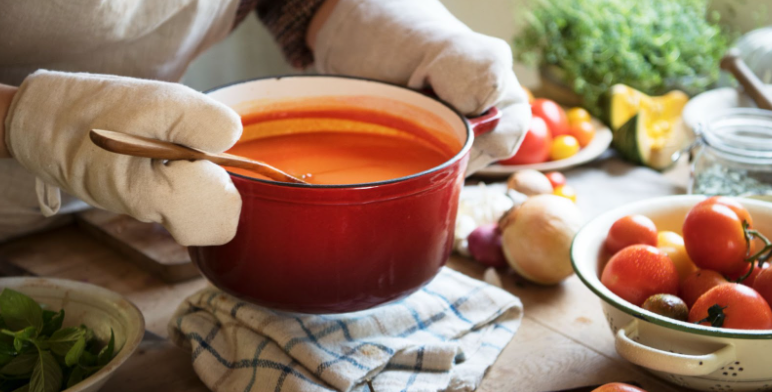
Daily Ramadan Soup Ideas to Prevent Boredom
What makes people tired of Ramadan soups is repeating the exact same flavor. The solution is to think of them as "soup families" rather than a single recipe. A simple example: one vegetable base can be transformed into seven different flavors, with each flavor suiting a different day. If you have fresh vegetables and some spices, you are ready to go.
Start with a Ramadan lentil soup flavored with cumin and lemon. If your family prefers a smooth texture, blend part of it and leave the rest whole for a rich consistency. The next day, use the same base but swap the lentils for barley or oats, and shift the flavor profile to herbs using thyme or rosemary. On the third day, turn it into a lightly spiced "tomato soup" with a hint of paprika.
If you love ultra-quick Ramadan soups on exhausting days, make a light vermicelli or ramen soup but upgrade it: add more vegetables, reduce the seasoning packet's salt, and squeeze some lemon. You can also whip up a chicken and vegetable soup using available proteins or even frozen meat and poultry alternatives.
The practical takeaway is that Ramadan soups aren't just one dish; they are a concept. Keep the core ingredients, but change the spices, the thickeners, and the finishing touches to keep the menu exciting all month long.
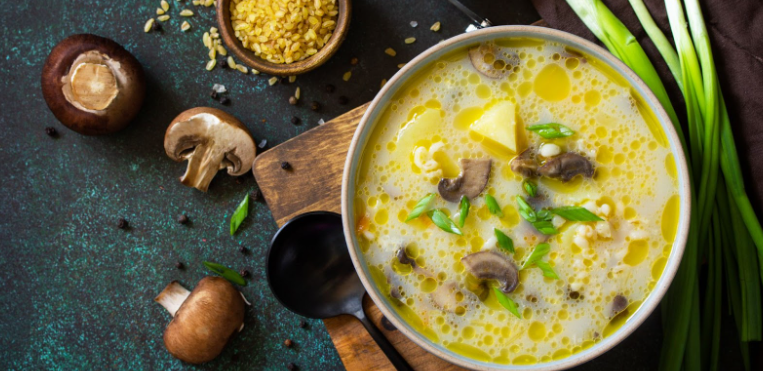
Make Ramadan Soups an Easy Daily Habit with Taw9eel
Ultimately, Ramadan soups are more than just the first dish of Iftar; they are a simple habit that elevates the quality of your entire month's dining. When you make soup a consistent part of your Ramadan routine, you'll notice a clear difference: a calmer stomach at Iftar, a smarter Suhoor that keeps you full without feeling heavy, and constantly refreshed flavors without daily exhaustion. The secret isn't in a complicated recipe, but in a simple system.
To easily turn this idea into reality, make sure your Ramadan soup preparations start from a single place that gathers all ingredients quickly. This is where Taw9eel.com comes in as your online supermarket in Kuwait. You can complete your soup basket from start to finish without any hassle. Start by getting your soup base from the Vegetables & Fruits section, elevate the flavor from the Sugar, Spices & Herbs section, and for a more filling option, rely on the Pasta, Rice & Grains section. Even on rushed days, you can grab ready options from the Soups section and add your homemade touch. With fast delivery in one basket, Taw9eel is your practical choice in Kuwait for all Ramadan soup ingredients.
Frequently Asked Questions About Ramadan Soups
1) What are the best Ramadan soups to start Iftar?
The best choice is usually light soups like clear vegetable or chicken broth. They are gentle on the stomach and help you begin Iftar gradually without feeling heavy.
2) What are the best Ramadan soups for Suhoor?
Suhoor requires a more filling soup, such as lentil soup or a soup containing grains (like barley or oats), because they provide a prolonged feeling of satiety.
3) How can I make Ramadan soups filling without using heavy cream or fats?
Use natural thickeners like lentils, oats, barley, or rice. Blend a portion of the soup and leave the rest unblended to achieve a rich, satisfying texture.
4) How can I boost the flavor of Ramadan soups without adding more salt?
Enhance the flavor with spices (cumin, turmeric, black pepper, paprika), add a squeeze of lemon at the end, and use dried herbs. Lightly toasting the spices before adding liquid also creates a much stronger flavor profile.
5) Why does my soup sometimes turn out too "light" or "watery"?
This is usually due to too much water or the lack of a thickening ingredient. The solution is to reduce the liquid, add grains/lentils, or let it simmer a bit longer until it reduces and thickens.
6) Why does my soup turn out too "thick"?
You may have used too much thickener or boiled it for too long. The fix is to gradually add water until it reaches the desired consistency, then adjust the seasoning accordingly.
7) Can I prepare Ramadan soups in advance and store them?
Yes, many soups actually taste better the next day as the flavors meld. Store them in an airtight container in the fridge and reheat gently before serving.
8) How can I make a Ramadan soup quickly on busy days?
Rely on a ready-made base or a quick soup mix, then "upgrade" it by adding fresh vegetables, extra spices, and a squeeze of lemon to give it a homemade taste in no time.
9) What are the best vegetables for most Ramadan soups?
Carrots, onions, celery, potatoes, zucchini, and tomatoes form an excellent base that suits almost all flavor profiles. You can alternate between them based on what you have available.
10) How can I add variety to Ramadan soups without repeating the same taste?
Stick to one reliable base (like a vegetable broth) but change its "identity" with spices: use cumin and lemon one day, herbs the next, tomato and paprika the third, and vermicelli on the fourth. Small changes make a massive difference.