




Stevia in Ramadan: How to Use It and the Best Alternatives
Many people try to strike a balance between enjoying Ramadan sweets and beverages and reducing their sugar intake. This is where Stevia sugar emerges as a popular choice, especially for those looking for sweetness without adding excessive sugar or high calories. However, a recurring problem is that some use it exactly like white sugar, only to be surprised by a change in taste or texture, or they use too much, resulting in a strange aftertaste.
Therefore, this article focuses on a practical approach: understanding how Stevia works, choosing the right way to use it in Ramadan, and applying it step-by-step in your daily tea, coffee, smoothies, and homemade desserts like puddings and cakes.
Most importantly, Stevia is not a magic wand that changes everything on its own. It is a tool within a smarter routine: reducing added sugar, controlling portions, and preserving flavor. Health and regulatory authorities confirm that Stevia (steviol glycosides) is safe when used in moderation within daily acceptable limits. Since Ramadan is also associated with thirst and hydration, it is highly recommended to consume sugar-free beverages at Iftar, alongside drinking plenty of water.
What is Stevia and How Does It Differ from White Sugar?
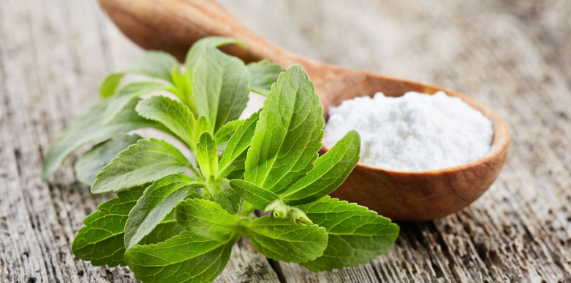
Stevia is a sweetener extracted from the Stevia plant, used to provide a sweet taste without the need for refined sugar. The core concept to understand is that Stevia equals sweetness, but it does not equal sugar when it comes to texture and behavior in recipes. White sugar doesn't just add sweetness; it provides volume, binds ingredients together, and aids in browning and caramelization in the oven. Stevia, on the other hand, provides intense sweetness in a very small amount. If you completely replace sugar in a cake recipe, for instance, you may notice a texture change because you've removed the physical "bulk" of the sugar that formed part of the recipe's structure.
During Ramadan, this difference is crucial because many of our traditional recipes rely heavily on sugar for syrups (Qater), caramel, and baked goods. Dealing with Stevia is smartest when you use it where it shines: it is excellent in daily beverages, and perfect for recipes that do not rely on sugar as a structural component (like yogurt, simple puddings, or light sauces). It can occasionally be suitable for baking, provided you compensate for the lost volume with another ingredient or choose a recipe specifically designed for sugar substitutes.
One reassuring point regarding its use is safety. Authorities like EFSA have set an Acceptable Daily Intake (ADI) for steviol glycosides (4 mg/kg). While you don't need to calculate every cup, this reminds us of the principle of "moderation," especially in Ramadan when sweets and drinks are consumed daily.
How to Use Stevia in Ramadan Drinks Without a "Weird Aftertaste"
Beverages determine the success of Stevia in Ramadan because they are consumed daily. However, many complain about bitterness or a strong aftertaste. The reason is usually one of three: using too much, mixing it with overly strong flavors improperly, or expecting it to taste exactly like white sugar. The solution is simple: start with a smaller amount than you think you need, then gradually increase it.
For tea, it is best to add Stevia after the tea has cooled down slightly. In Arabic or black coffee, try to keep the sweetening very light, as the coffee already has natural bitterness. In hot chocolate or flavored milk, Stevia is usually much easier to use because the rich cocoa flavor naturally masks any potential aftertaste.
During Ramadan, you also have popular drinks like Sobia, light juices, or lemon-infused water. Stevia is excellent here, provided there is a distinct acidity or flavor like lemon, which provides a natural balance and minimizes any aftertaste. To easily prepare all your beverages, you can shop your needs from the Hot Drinks section, while sugar alternatives are generally found in the Sugar, Spices & Herbs section.

Stevia in Ramadan Desserts: How to Use It Without Ruining the Texture
Ramadan desserts often rely on sugar for texture, especially traditional sugar syrup (Qater) and baked goods. Therefore, using Stevia requires a methodical approach: either choose recipes already designed for alternative sweeteners, or gradually reduce the sugar instead of replacing it completely.
When it comes to cold or creamy desserts, Stevia usually works seamlessly. Think of a light pudding, Muhallebi, or yogurt with vanilla and a little sweetener. These recipes do not rely on sugar to form a strong "structure." You can easily prepare these by exploring the Baking Essentials section where you can find vanilla, cocoa, and other flavorings.
For cakes and biscuits, be careful: sugar provides volume, moisture, and aids in browning. If you completely replace it with concentrated Stevia, you might end up with a flat, dry, or pale cake. The practical solution for Ramadan is the "half-and-half" model: reduce regular sugar by half, and make up for the remaining sweetness with Stevia. The topic of Ramadan syrup (Qater) specifically requires rationality. Its function is not just sweetness, but texture, shine, and saturation. A practical alternative is to simply reduce the amount of traditional syrup you use on your sweets, rather than trying to invent a "Stevia syrup" with the exact same thick consistency.
How to Make Stevia a Practical Part of Your Routine
Stevia in Ramadan is successful when used in the right place and in the correct amount. Start with beverages first, as they are easier, faster, and clearer in their results. Gradually reduce the sugar in your tea and coffee, and you will notice your taste buds adapting within a week. Next, move on to light desserts that do not rely on sugar for structure, and then try the half-sugar reduction method in your baking.
To shop without getting distracted, gather all your needs from the appropriate categories on Taw9eel.com. Start with sugar alternatives from the Sugar & Spices section, complete your dessert recipes from Baking Essentials, and stock up on your drinks from the Hot Drinks section. By following these steps, you can set up a healthier Ramadan routine without any stress, while still consciously enjoying the flavors you love.
Frequently Asked Questions About Stevia in Ramadan
1) What is Stevia sugar?
Stevia is a sweetener derived from the Stevia plant. It provides a sweet taste in very small amounts compared to regular sugar, which is why many use it to reduce added sugar intake.
2) Is Stevia suitable for daily Ramadan drinks?
Yes, Stevia is highly suitable for tea, coffee, hot chocolate, and cold beverages, especially for those looking to cut down on added sugars during Ramadan.
3) Why does Stevia sometimes taste bitter or have an aftertaste?
This is often due to using too much, or because some people are sensitive to its taste. The solution is to start with a very small amount and increase gradually, balancing the flavor with lemon, cinnamon, or vanilla depending on the drink.
4) Can I replace sugar with Stevia at a 1:1 ratio in recipes?
Not always. Sugar provides volume, texture, and helps baked goods brown, whereas Stevia mostly just provides sweetness without the same "bulk."
5) What is the best way to use Stevia in Ramadan desserts without ruining the texture?
The best approach is to partially reduce regular sugar (e.g., by half) and use Stevia to compensate for the remaining sweetness, especially in cakes and biscuits. Creamy and cold desserts are much more forgiving.
6) Is Stevia suitable for making Ramadan syrup (Qater/Shira)?
Qater relies heavily on sugar for its thick texture and shine, so Stevia alone will not yield the same result. A practical alternative is to simply use less of the traditional sugar syrup.
7) Does Stevia spike blood sugar like regular sugar?
Generally, it does not behave like regular sugar because it is a low- or zero-calorie sweetener (depending on the specific blend). However, it is always best for diabetics to monitor their individual responses and choose appropriate products.
8) What is the difference between "granulated" Stevia and Stevia "packets"?
Packets are easier for controlling sweetness in individual drinks, while the granulated form might be easier to measure in certain baking recipes. Just be aware that the sweetening power might not be a direct 1:1 match with sugar.
9) How many times a day can I use Stevia during Ramadan?
It depends on your daily intake of other sweeteners and beverages. Moderation is key, especially if you are using it in multiple drinks and desserts throughout the night.
10) What is the best advice for trying Stevia for the first time in Ramadan?
Start with beverages first because the results are immediate and adjustments are easy. Then transition to recipes gradually. Do not try to change all your Ramadan recipes at once.