



How to Choose the Right Olive Oil for Cooking and Salads?
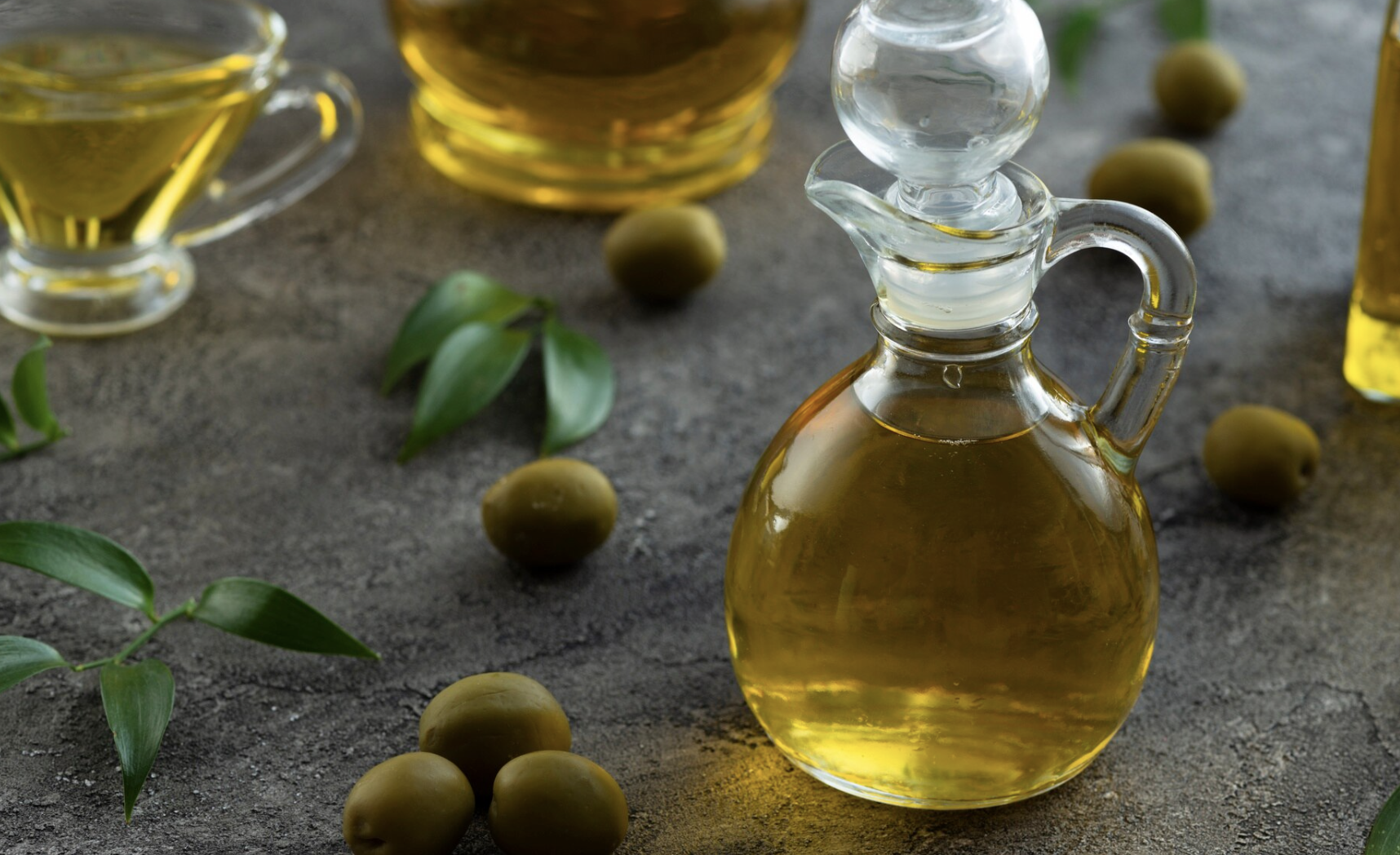
Olive oil is an essential kitchen staple that is hard to do without, whether you use it to prepare salads, roast vegetables, marinate dishes, or add a final touch to a prepared meal. Although picking up a bottle of olive oil might seem simple, the variety of types, sizes, and uses makes it beneficial to know the fundamental differences before buying.
Not every recipe calls for the same type. The oil you choose for a green salad dressing or serving with bread may differ from the ideal oil for daily cooking, grilling, or tossing with pasta. In this guide, we'll explain how to choose the right olive oil for your everyday uses, and you can browse a diverse selection of olive oils on Taw9eel in Kuwait to pick the perfect size and type for your kitchen.
Olive Oil: Types and Best Uses for Each
All olive oil is extracted from olives, but the varieties available in the market differ based on extraction methods, processing, and flavor profiles. For this reason, your choice shouldn't be based solely on bottle size or price, but rather on how you intend to use it in your kitchen.
-
ITEM 01
Extra Virgin Olive Oil
An ideal choice when you want a distinct, robust flavor. It shines in salads, dressings, bread dipping, or as a finishing drizzle over a ready dish. Its flavor is usually more pronounced, making it a favorite for simple, fresh recipes.
-
ITEM 02
Everyday Cooking Oils
More practical for daily meal prep, especially for sautéing vegetables, preparing sauces, or baking certain dishes in the oven, keeping temperature control in mind.
-
ITEM 03
Flavored Oils
Oils infused with garlic, rosemary, or chili. These are fantastic options for adding an extra kick of flavor to salads, crusty bread, or pasta without needing a multitude of ingredients.
When choosing an olive oil, start by asking about your primary use: Do you need it for salads, everyday cooking, or serving alongside food? Answering this will help narrow down your options to a product that truly fits your needs.
What’s the Difference Between Olive Oil for Salads and Cooking?
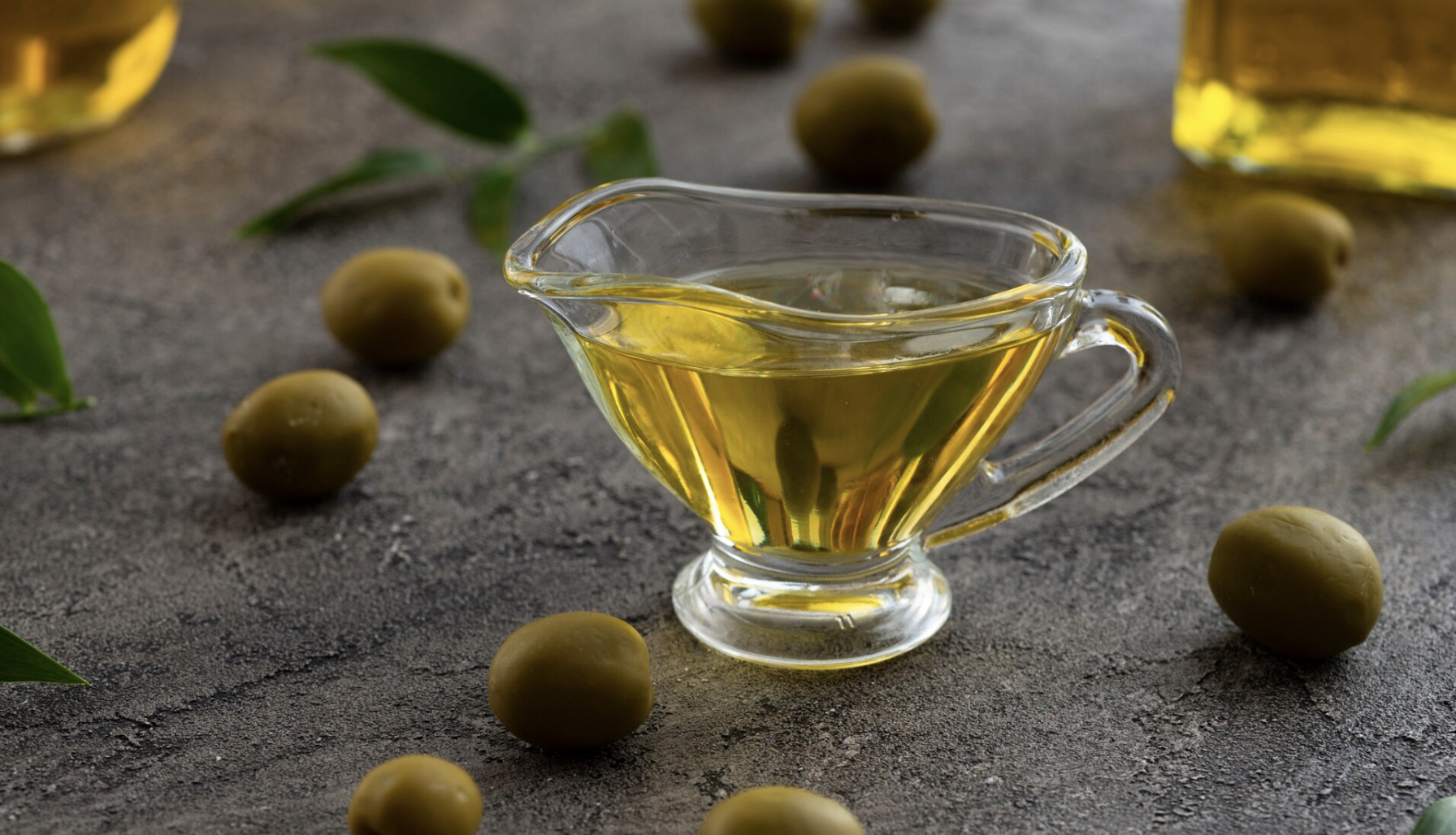
Olive oil can be used for both salads and cooking, but the best choice depends on the flavor profile you want and the preparation method. In salads, the oil is typically unheated, allowing its aroma and taste to be experienced directly. This makes extra virgin olive oil particularly suitable, especially for a green salad, fattoush, or tabbouleh.
Try adding a moderate amount first, then adjust to taste. The goal is for the oil to complement the vegetables, not overpower them. It can also be paired with cheese, olives, zaatar, or toasted bread for a quick, light meal.
For cooking, however, it’s more practical to choose a product suited for frequent use, like sautéing veggies, building sauces, or marinating chicken and meats before grilling. If you use olive oil frequently, it might be practical to keep two bottles on hand: one for everyday cooking, and another with a premium flavor for salads and direct serving.
How to Choose the Right Size for Home Use?
Choosing the right size is just as important as choosing the type. A large container might seem like a practical choice for families, but it’s not always the best option if your usage is limited. Olive oil degrades when exposed to light, heat, and air, so it’s best to buy an amount that aligns with your actual consumption rate.
If you only use olive oil in salads or with breakfast, a small or medium bottle should suffice. However, if you rely on it for cooking regularly, larger bottles will be much more convenient.
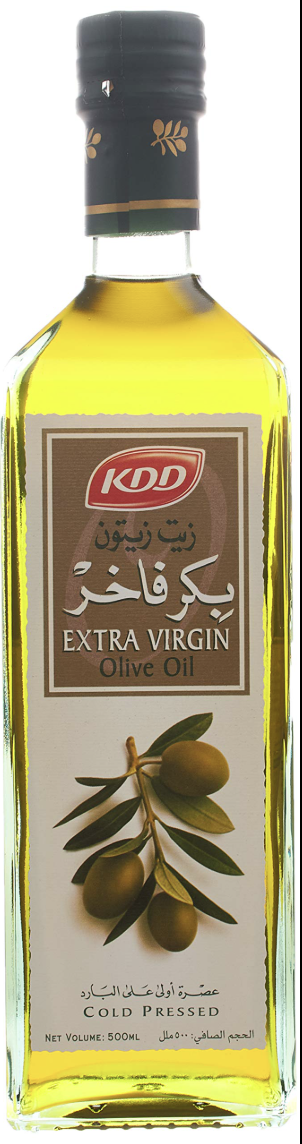
A great option for standard home use is KDD Olive Oil in the 500ml size. It’s a practical volume that can be used across multiple recipes without taking up too much pantry space—perfect for salads and toast, as well as cooking, grilling, and pasta.
Tips for Properly Using and Storing Olive Oil
Once you’ve selected the right olive oil, the way you store it directly affects its flavor and quality. Keep the bottle in a cool, dry place away from direct sunlight, and avoid leaving it next to the stove or on a counter near a heat source.
Close the cap tightly after every use, as prolonged exposure to air can alter the taste over time. If you purchase a large container, consider pouring a small amount into a dedicated daily-use dispenser while keeping the original container tightly sealed.
Quick Dressing: Olive oil + lemon juice or vinegar + a pinch of salt and pepper. You can add garlic, zaatar, or sumac depending on the salad. When using it in cooking, it's best to heat it only as needed before adding ingredients, rather than leaving it on an empty hot pan for too long.
You can also use olive oil to add a final flourish after cooking—drizzle a small amount over pasta, soup, or roasted vegetables just before serving. It’s also a good habit to check the expiration date upon purchase and pay attention to the oil’s aroma and taste after opening.
Choose the Perfect Olive Oil for Your Recipes from Taw9eel
Choosing the right olive oil becomes much easier once you define its primary use before buying. If you're looking for a distinct flavor for salads and dressings, go for extra virgin olive oil. If you need a bottle for daily cooking, look for a practical size that suits your household and weekly cooking frequency.
The Olive Oil section on Taw9eel offers a wide variety of choices, including different sizes, types for cooking and salads, as well as organic and flavored options. While shopping, you can also browse related meal-prep essentials like vinegar, spices, rice, and pasta to gather all your kitchen needs in a single order.
Frequently Asked Questions About Olive Oil
What is the best type of olive oil for salads?
Extra virgin olive oil is the best choice for salads because its flavor profile shines clearly when used unheated. It can be easily paired with lemon or vinegar and spices to create a simple dressing.
Can olive oil be used for cooking?
Yes, olive oil can be used for regular cooking methods like sautéing vegetables, preparing sauces, grilling, and certain oven recipes. Just choose the right type and size for your daily cooking habits.
What is the difference between virgin and extra virgin olive oil?
The two types differ based on quality standards, grading methods, and flavor. Generally, extra virgin olive oil is best for those seeking a more distinct taste, particularly in salads, dressings, and direct serving.
Is KDD olive oil suitable for salads?
Yes, KDD olive oil can be used on salads, drizzled over toasted bread, and is also highly versatile for cooking, grilling, vegetables, and pasta dishes.
How do I maintain the quality of olive oil after opening?
Store the bottle in a cool, dry place away from light and heat, and ensure the cap is closed tightly after every use. Choose a size that matches your consumption rate so the bottle doesn't remain open for too long.