




Matcha: What It Is, How to Choose the Right Type, and Daily Uses
It has become perfectly normal to hear the word "Matcha" everywhere. In cafes, in your friends' refrigerators, and even in simple recipes on social media. However, many people buy matcha once, try it, and then complain: "The taste is bitter," "It clumped up," or "I couldn't get it right." The problem is rarely the matcha itself; it usually comes down to choosing the right type, proper storage, and knowing how to incorporate it into your day.
In this article, we will explain what matcha is in simple terms, then dive into "how to choose the right type" based on your actual usage rather than just the name or price. Afterward, we will cover smart daily uses for matcha beyond the standard latte, along with practical tips to help you buy with confidence and enjoy it all month long.
Since the matcha experience is often tied to additional tools and ingredients, you'll find that gathering all your needs in one order is much easier through categories like Hot Drinks or the Al Rifai Shop on the Taw9eel website.
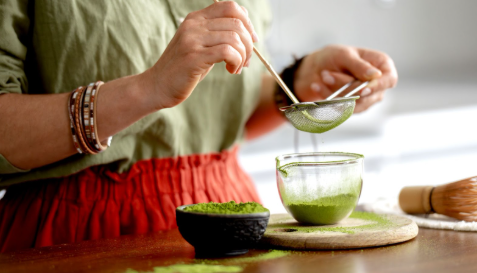
What is Matcha and How Do You Choose the Right Type?
Matcha is simply green tea ground into a very fine powder. The main difference between it and regular green tea is that with regular tea, you steep the leaves and then discard them, whereas with matcha, you dissolve the powder and drink it entirely. This explains why its taste is "deeper," why its color is a vibrant green, and why its preparation requires a little care to avoid clumping.
But the most important thing is understanding "how it will be used." Matcha is not a one-size-fits-all product. The same word can be written on a premium, smooth package meant for drinking with just water, and on a robust package meant for cooking and mixing into desserts. Therefore, if you buy a culinary-grade matcha and drink it plain, it will naturally taste more bitter.
There is also a factor many forget: Matcha is sensitive, much like any "fresh" product. Light, heat, and humidity are the enemies of its color and taste. You might buy excellent matcha, but if you leave it open or near a heat source, it will become dull and taste like dry grass within two weeks. For a comfortable start with a trusted source and proper packaging, try a clear product like Al Rifai Organic Matcha Tea Powder 30g from Taw9eel.
Choosing matcha requires one honest question: What do you want it for daily? If your goal is a "daily beverage" like a latte, you need a matcha with a flavor robust enough to stand out against milk. However, if your goal is to drink it "plain" with water, priority shifts to smoothness and low bitterness.
Practical Ideas for Daily Matcha Uses
If you want to make matcha a part of your month without getting bored, think of it as a "flexible" ingredient. The simplest daily use is the "Matcha Latte," but instead of having the exact same thing every day, change the small details. One day with cold milk and ice, another with warm milk, and another with a light touch of vanilla.
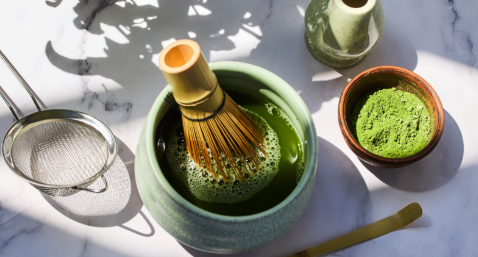
Remember that the step that usually prevents clumping is dissolving the matcha first in a small amount of warm liquid. To get a "perfect" clump-free result, having a matcha whisk is incredibly helpful. A set like the Al Rifai Matcha Whisk Set is a small investment that elevates the quality from week one.
Beyond drinks, there are "quick food" uses. For example, if you love yogurt, you can make a bowl with honey and a light dusting of matcha. If you are a coffee lover, try having matcha in the morning and coffee in the afternoon, and observe how your body feels. Browsing the Al Rifai Shop and Hot Drinks section will help you easily prep add-ins that suit your matcha cup perfectly.
Common Mistakes That Ruin Matcha Quality and How to Avoid Them
- Mistake 1: Temperature. Many people use boiling water directly, resulting in a bitter, harsh taste. Matcha prefers warm, not boiling, water.
- Mistake 2: Clumping. Clumping is not a "defect"; it's a natural result of the fine powder. The solution is to whisk it properly using an Al Rifai Matcha Whisk Set.
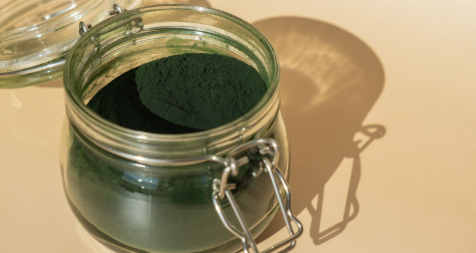
- Mistake 3: Storage. Leaving the package open makes the color fade and the taste lose its "freshness." Always keep the package tightly sealed and away from heat.
- Mistake 4: Overdoing the quantity. You don't need a massive amount to enjoy the taste. Start small and increase gradually.
- Mistake 5: Buying the wrong type. Such as buying culinary matcha to drink as a latte, or vice versa. A comfortable starting point is the Al Rifai Organic Matcha Tea Powder 30g.
How to Start with Matcha Without Repeating Mistakes?
Do not start by searching for "the best matcha in the world." Start with a simple question: Will you drink it as a latte or plain? Then buy the product based on that. Focus on just two factors: proper dissolving method and proper storage. If you master these two, 80% of your matcha experience will be excellent.
To shop easily in Kuwait, you can prepare your cart by adding Al Rifai Organic Matcha Tea Powder 30g along with the Al Rifai Matcha Whisk Set. If you like, pass by the Al Rifai Shop or browse Hot Drinks. Ultimately, Taw9eel is your practical, comprehensive online supermarket option in Kuwait, combining all your household needs with fast delivery.
Frequently Asked Questions About Matcha
1) What is Matcha?
Matcha is finely ground green tea powder prepared as a beverage or used in recipes. It differs from regular green tea because you consume the actual powder instead of just steeping the leaves.
2) How do I choose the right type of matcha for daily use?
Determine your use first: if you want a daily latte, choose a culinary or premium matcha with a robust flavor that holds up to milk. If you want it plain with water, choose a smoother, less bitter ceremonial grade. Prioritize usage over price.
3) What is the difference between drinking matcha and culinary matcha?
Drinking (ceremonial) matcha is usually smoother, less bitter, and suited for drinking plain or with a light latte. Culinary matcha is stronger and its flavor stands out well in recipes like desserts, oatmeal, and yogurt.
4) Why does matcha clump when preparing it?
Clumping happens because the powder is extremely fine and gathers easily, especially if added directly to a cold liquid. It is best to dissolve it first in a small amount of warm liquid before adding the rest of your ingredients.
5) How do I avoid bitterness in matcha?
Do not use boiling water, and start with a small amount of powder, increasing gradually to your taste. Bitterness usually comes from using water that is too hot or using too much powder.
6) Do I need a matcha whisk (Chasen)?
It is not mandatory, but it helps significantly in reducing clumps and creating a light froth. A whisk makes the result consistent and much easier to achieve.
7) What is the best way to prepare an iced matcha latte?
Dissolve the matcha first in a little bit of warm water until smooth, then add ice and milk. This method prevents clumping and gives you a homogenized taste.
8) How should I store matcha after opening?
Keep it in an airtight container away from light, heat, and moisture. Proper sealing preserves the color and taste and prevents it from absorbing surrounding odors.
9) How much matcha is appropriate for one cup?
It is best to start with a small amount (like half a teaspoon) and adjust to your taste. Many people use too much on their first try, which brings out bitterness.
10) Can matcha be used in food, not just as a drink?
Yes, you can incorporate matcha into daily recipes like yogurt, oatmeal, or simple desserts. Just ensure you choose the appropriate culinary type if cooking is your primary use.